Foam vs. Cardboard vs. EVA: Which Rigid Box Insert Is Best?
A client once sent me a photo of a returned shipment a set of glass skincare bottles, all cracked, sitting in a rigid box that looked completely untouched from the outside. The box itself hadn’t taken a single hit. The insert inside it, though, had shifted just enough during transit that the bottles knocked into each other. That’s the thing about inserts: nobody notices them until they fail.
If you’re putting together custom rigid boxes with insert components and trying to decide between foam, cardboard, or EVA, the honest answer is that it depends less on which material sounds nicer and more on what’s actually going inside the box. Here’s how I’d think through it.
Why the Insert Matters as Much as the Box
A rigid box gets a lot of the attention: the thickness, the finish, the way it opens. But the insert is doing the actual protective work. It holds the product in place, absorbs shock, and keeps everything from sliding around during shipping or when the box gets tossed onto a shelf. A beautiful rigid box with a weak insert is basically a nice-looking container for damaged goods.
It also affects the unboxing experience. A well-cut insert makes a product feel like it belongs exactly where it’s sitting. A poorly fitted one makes even an expensive item look like it was shoved in as an afterthought.
Cardboard Inserts
Cardboard, typically as corrugated or chipboard trays, is the most prevalent insert material, and is likely the first that comes to mind. It is cost-effective, recyclable, easily customisable with die-cutting and can be printed or wrapped to match the interior box branding.
Its weaknesses are in cushioning. Cardboard doesn’t have soft properties, and is therefore better suited for maintaining the shape and positioning of a product than for absorbing an actual impact. It is suitable for things that are not really fragile, such as books, folded clothes, flat electronics, gift sets with solid parts. Cardboard is not sufficient for everything made of glass, ceramic or easily scratched.
One thing worth knowing: cardboard inserts are sensitive to humidity. In damp shipping conditions, they can soften slightly, which affects how snugly the product sits. Not a dealbreaker, but worth factoring in if you’re shipping internationally through varied climates.
Foam Inserts
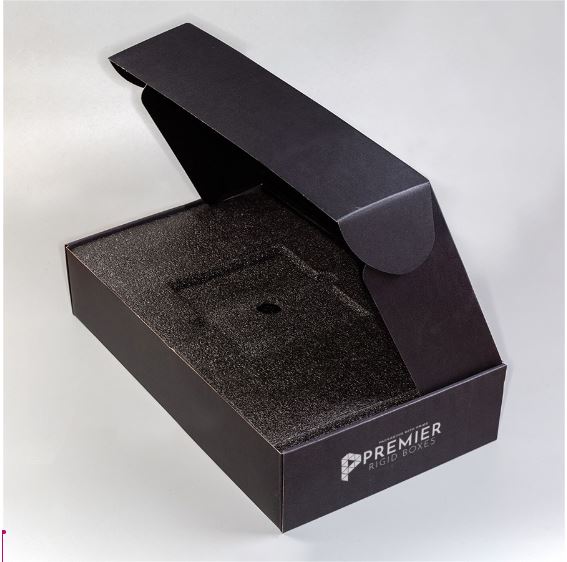
Foam is the go-to when actual protection is the priority. It comes in a few different types polyethylene (PE) foam, polyurethane (PU) foam, and EVA, though EVA is really its own category (more on that below). PE and PU foam can be die-cut or CNC-routed into precise cavities that match a product’s exact shape, which is why you see it constantly in electronics packaging, tools, and anything with delicate or oddly shaped components.
The upside is obvious: foam absorbs shock in a way cardboard just can’t. The downside is cost and sustainability. Foam is more expensive to tool and produce, and it’s not exactly a favorite among customers who care about recyclability most standard foam isn’t biodegradable and doesn’t compost.
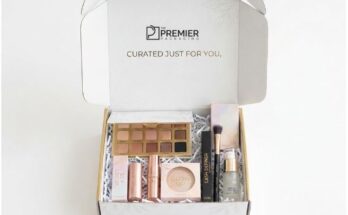
A visual exchange ratio is also present. If you’re selling a beauty or luxury item, for example, where you’re trying to get them to see the excitement of the unboxing, foam can appear a bit like a work of industrial design or what you’d call a utilitarian design.
EVA Inserts
There is a middle ground between these extremes – it is the highly interesting polymer named EVA (ethylene-vinyl acetate). More dense and firm than normal foam, some give, and can be cut with precision, sharp edges and clean cavities, tight tolerances. That’s why EVA is frequently used in such applications as high-end electronics boxes, camera gear and cosmetics packaging, where the product requires to fit in a precise pocket, rather than a more fluffy, cushion-like one.
However, EVA is also more color and texture retaining than PE or PU foam, which is beneficial for brands who want the insert to have a meaningful presence and not just be a service to the product. A black EVA tray with a nice shine is quite different than a plain gray foam block. EVA tooling and material costs are generally higher than cardboard and often comparable to or above standard foam, so it tends to show up on higher-margin products where the packaging experience is part of what’s being sold.
Matching the Material to the Product
Here’s roughly how I’d break it down:
- Cardboard good for apparel, books, gift sets, and anything that’s not fragile but benefits from a clean, structured presentation.
- Foam good for anything genuinely delicate or irregularly shaped, especially where per-unit packaging cost matters more than visual polish.
- EVA good for premium products where both protection and presentation matter, and where the budget supports the higher tooling cost.
It’s also worth saying that plenty of brands mix materials a cardboard base layer for structure, with a foam or EVA cutout on top for the actual product cavity.
Final Words
Before locking in an insert material for custom rigid boxes with insert designs, it helps to ask a few practical questions: How fragile is the product, actually not in theory, but based on real shipping damage data if you have it? What’s the expected shipping method, and how rough is that handling likely to be? Does the insert need to look premium on its own, or is it hidden well enough that function matters more than appearance? And finally, what’s the per-unit cost tolerance once you factor in tooling? Getting a physical sample insert with your actual product placed inside it before committing to a full production run is the cheapest insurance you can buy against a shipment full of cracked bottles.