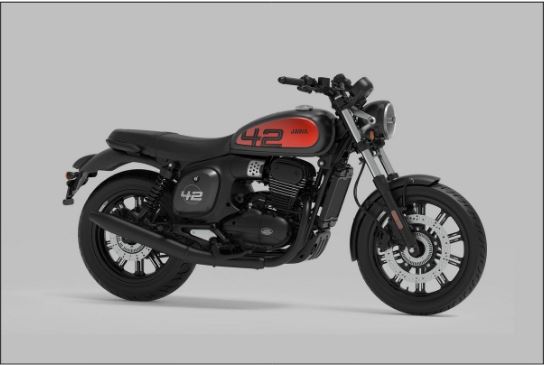
Jawa motorcycles appeal to Indian buyers who can’t stop loving their classic styling and are seeking modern engine tech. These can vary from other designs such as the Jawa 42, 42 FJ, Jawa 350, Perak and 42 Bobber; however, local variations in design and stock exist. When comparing these bikes, it is important to consider the rider’s comfort, service access and intended use, not just the Jawa name.
Know how to differentiate between the Jawa products
The Jawa 42 aims to be an identifiable road bike that’s everyday convenient and has classic features. The 42 FJ is a similar yet unique design and equipment package, while the Jawa 350 focuses more on the traditional design lines. The bobber styling of the Perak and 42 Bobber change the nature of the pillion to a more solo-focused type. There is also a difference in engine size between models and revisions: If you simply quote the engine size of one Jawa, you will mislead your customers. Check the exact current specification sheet and test the exact version under consideration. Dealers can include photos of additional
options that are not part of the delivered price.
Constructing engines and their performance on the road.The art of building engines and the experience of riding them.
The current Jawa is described in 42 pieces of information, including a 294.72 cc ‘liquid-cooled’ engine and a 6-speed transmission. The manufacturer’s engine specs for the Perak state that the 334 cc engine produces approximately 29.9 PS and 30 Nm. These are model-specific, not necessarily representative of how each Jawa will deliver power or gearbox performance. Liquid cooling aids in the control of operating temperature, but the owner is still responsible for observing the specified coolant and adhering to the service interval. On a ride, check clutch and smoothness at low speeds and the effectiveness of keeping the gears at a reasonable speed without unnecessary and frequent gear changes. All that is vibrant on a free bypass can be quite different when traffic is dense.
Seating and load carrying may be influenced by styling. Styling may impact seating and load carrying.
A standard road motorcycle will generally be selected when used for travelling with a passenger or when travelling on weekends with luggage. Solo riding, various seating options and a more minimalist rear design could be a priority for Bobber-style machines. Before adding pillion seats or footrests, check to see if the motorcycle is officially approved for pillion riding. Look at the real seat padding rather than a seat category. Look at the actual knee angle, wrist position and padding of a seat rather than a category. People who are taller will find one Jawa that is comfortable for them and another that is not. When used for shopping or working, verify safe mounting for bags that don’t block suspension, exhaust or lights.
A careful trial of suspension and braking is required.
Travel on a sample section of the road with potholes and speed bumps to learn about comfort. A well-balanced bicycle on a smooth road can pass on more shock through the seat when riding on rough surfaces. Braking hardware and ABS configuration may differ from model to model, variant to variant and year to year. Review the equipment checklist and check brake progression at controlled speed. The right tyres and good suspension elements are as important as the advertised features. Spend extra focus on steering effort during parking and reversing, as the weight distribution of a motorcycle becomes especially apparent in tight or sloping ways to park.
Availability, warranty and dealer documentation
Just because a model is still available on a vendor’s webpage doesn’t necessarily mean that all dealerships will have new models. Request the specific month made, vehicle identification, variant and emission standards of the unit being sold. Get the latest warranty and ask for any potential recalls or updates. If there are any old stock items, determine if there is a warranty date from delivery, and what is the registration procedure. Never wire money without an itemised quotation first. Conditions for booking, dates assured and terms of cancellations, if any, should be in writing, particularly for colours or editions which are subject to limited numbers.
Access to services and future planning for sustainability
Even before you make a decision, find out the location of the nearest authorised service centre, and verify that they have the ability to source regular consumables and unusual components on the body. Request general maintenance service requirements for the model and when. Running costs are separate from fuel usage and include tyre and brake costs, chain maintenance, insurance and replacement parts. A unique bike could have more unique panels or accessories that take longer to replace. When purchasing used, check service records and evidence of accident repairs, and match documentation. In addition to interest and fees on financing the total cost must be considered, and monthly instalments are not enough to determine affordability.
The Jawa 42 is compared to the Perak.
These models cater to a variety of riders, but have a classic identity. When there is a need for wide common use, such as the traditional seating arrangement, the Jawa 42 can be considered. The Jawa Perak is a solo motorcycle that can be the right choice for a rider looking for a more specialised experience and doesn’t often share the seat with a pillion passenger. It should not be thought of as an indicator of better comfort or handling because of its 334 cc engine. Ride both bikes on the route suggested and compare parking, heat in traffic, gear choices and ease in carrying regular gear. What is better depends on the usage and not on engine sizes.
A dealer who can arrange for a meaningful test drive, give the customers accurate parts information and has clear delivery documentation is more than just pretty; it’s valuable.
Find out from local professional vehicle owners what they use for spares and if their preferred authorised workshop uses them regularly. Ensure accessory functionality with the exact delivered motorcycle variant.
So how to shortlist a Jawa motorcycle?
The first step is to make a list of the cycling trips that use the most pillion, and the distances to authorised workshops. Reduce the list of models to those that satisfy those requirements, and examine existing models that are available for delivery. To resolve issues of value and comfort, use a test ride and a written equipment quotation. Classic options are definitely a viable choice, but having a classy car and putting it through the dealership paint shop is a lot easier when the compromises are still viable once the showroom buzz fades. Clear up any stock or service issues prior to making a significant deposit.